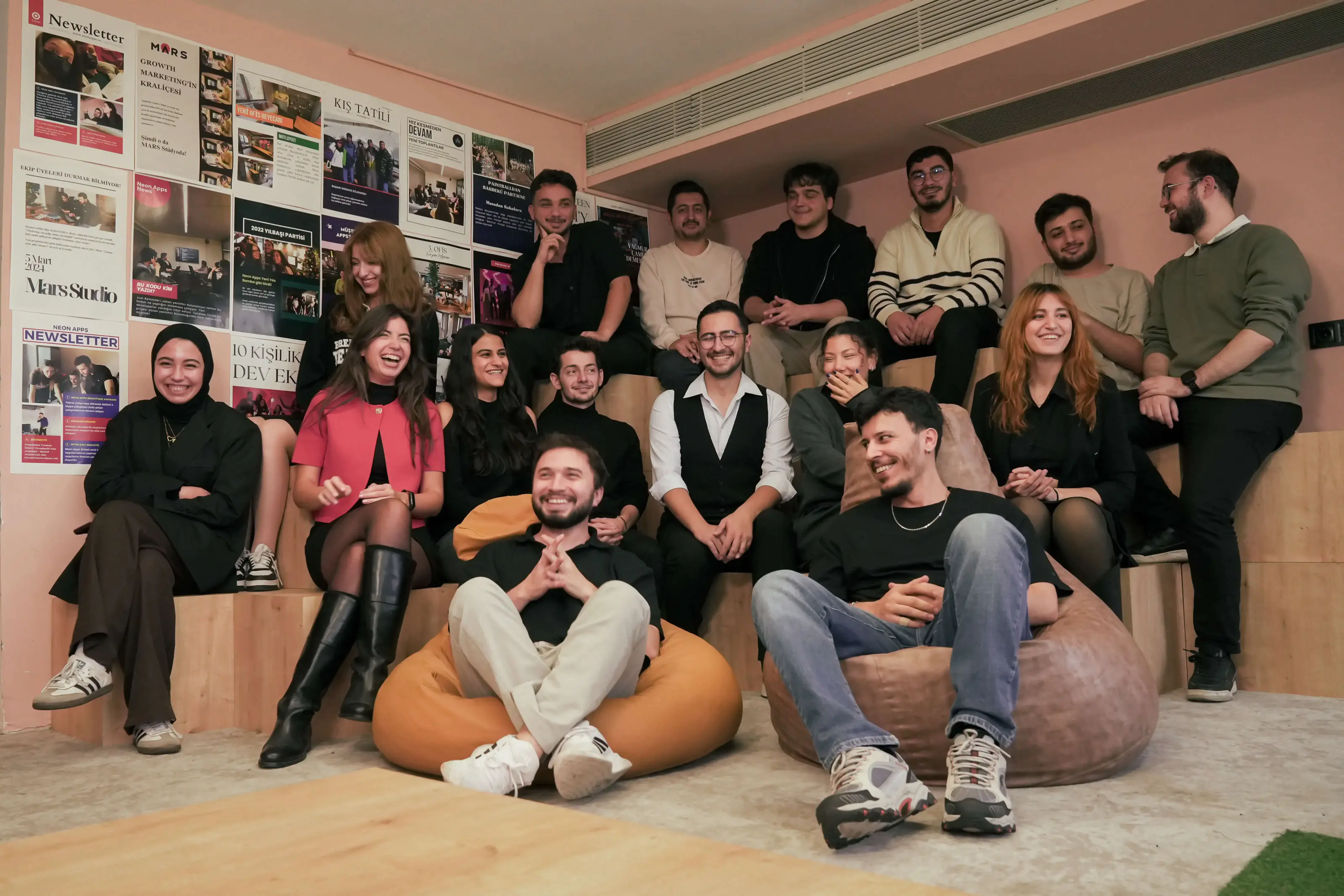
The story behind Neon Apps.
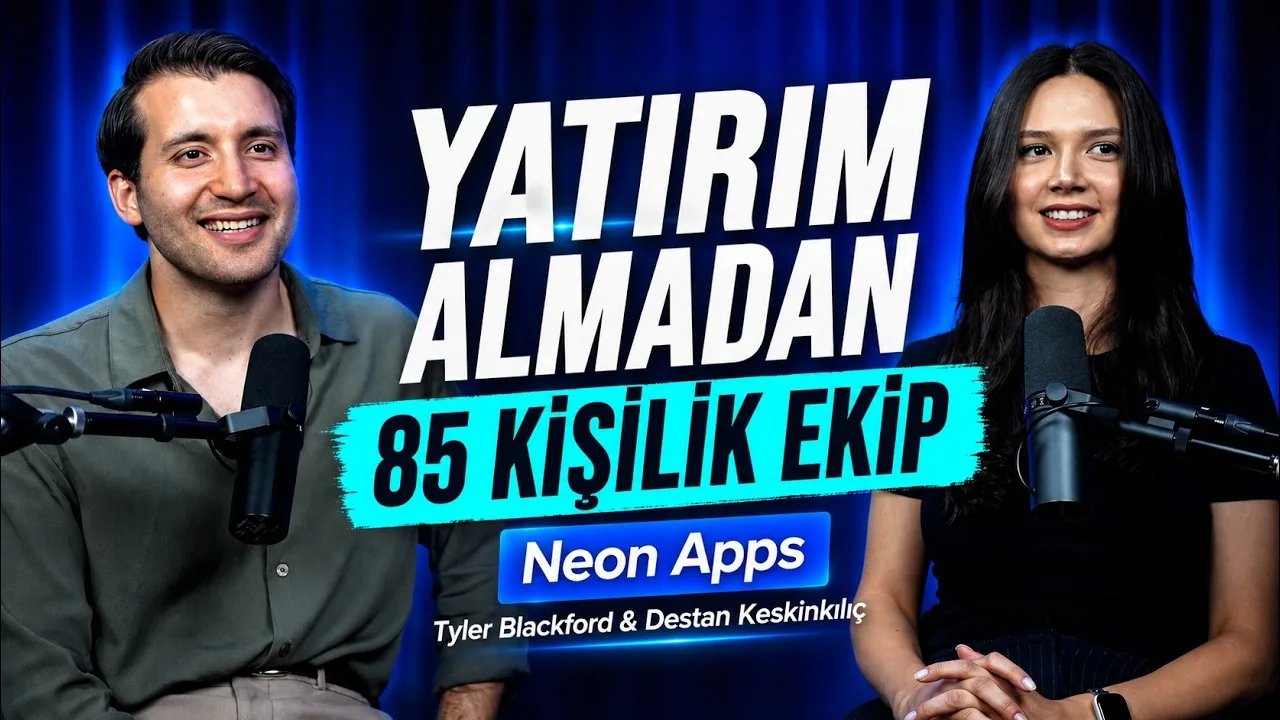
I spent nine years failing at businesses of my own. Neon Apps is what came after: 600 apps for other companies, a team of 85 across Istanbul and New York, and not a dollar of venture capital.
2010–2019
Learning to build
Fifteen attempts at a business of my own across nine years, and six of those years building other people's apps to order. Not one of the fifteen worked. All of it was training I did not know I was getting.
2013–2019
I learned to build on Fiverr.
I started building iOS apps long before Neon Apps existed. From 2013 I worked as a freelance developer, mostly through Fiverr, making apps for people all over the world for very little money. The projects were small and the budgets were smaller, and that was never the point. What they gave me was years of actually shipping products for real people. Everything Neon Apps does for clients now is that job at a different scale.
6
years building for other people
2010–2019
15 attempts. 15 failures.
I had been trying to start something of my own since before the freelance work began, and I kept trying all the way through it. Around fifteen businesses over nine years: different ideas, different industries, different attempts. None of them worked and most disappeared without going anywhere. Every one of them taught me something about building, about selling, and about what it actually takes to turn an idea into a business. By 2019 I had not built a successful company. I had spent nine years learning how not to.
15
attempts, 2010 to 2019
2019–2020
Two students
A company with no network, no playbook and no venture money behind it. An app a day into silence for five months, and then a single payment that changed what the company was for.
2019
Two students, one idea.
I was studying computer engineering when my business partner Destan and I decided to start building together. I had been developing mobile apps for years and started teaching her how to build them too, and eventually we decided to turn what we were doing into a company. That company became Neon Apps. We had no established network, no business playbook and no venture capital. We opened a small office with two desks and did almost everything ourselves: Destan on design, me on development.
2
people, two desks
2019
An app a day, and almost nobody paying.
Neon Apps was never meant to build for clients. It was meant to be an app studio that launched its own products, so we started shipping. App after app, some stretches almost one a day: Destan designed them, I developed them, we published them ourselves. Within the first few months we had launched around thirty. Five months in we had built dozens of products and still had no business model, and the revenue simply was not there. That is where the lesson underneath everything since came from. Building an app and building a successful product are two completely different things.
30
apps, almost no revenue
2019
The first $1,000.
Someone found one of our apps online and asked whether we would sell it for $1,000. We agreed. The payment arrived. It was the first time anyone outside our own circle had put real value on something we had built. The $1,000 is not what changed the company, though. What happened next is.
$1,000
the first money anyone paid us
2019–2020
The same buyer came back. Then came back again.
Over time he bought around twenty more apps from us. That one relationship made the point better than any amount of strategy would have: there was another business hiding inside the one we were already running. Instead of only building our own apps, we could take everything we had learned and build products for other companies. Neon Apps started changing direction.
20
more apps, one buyer
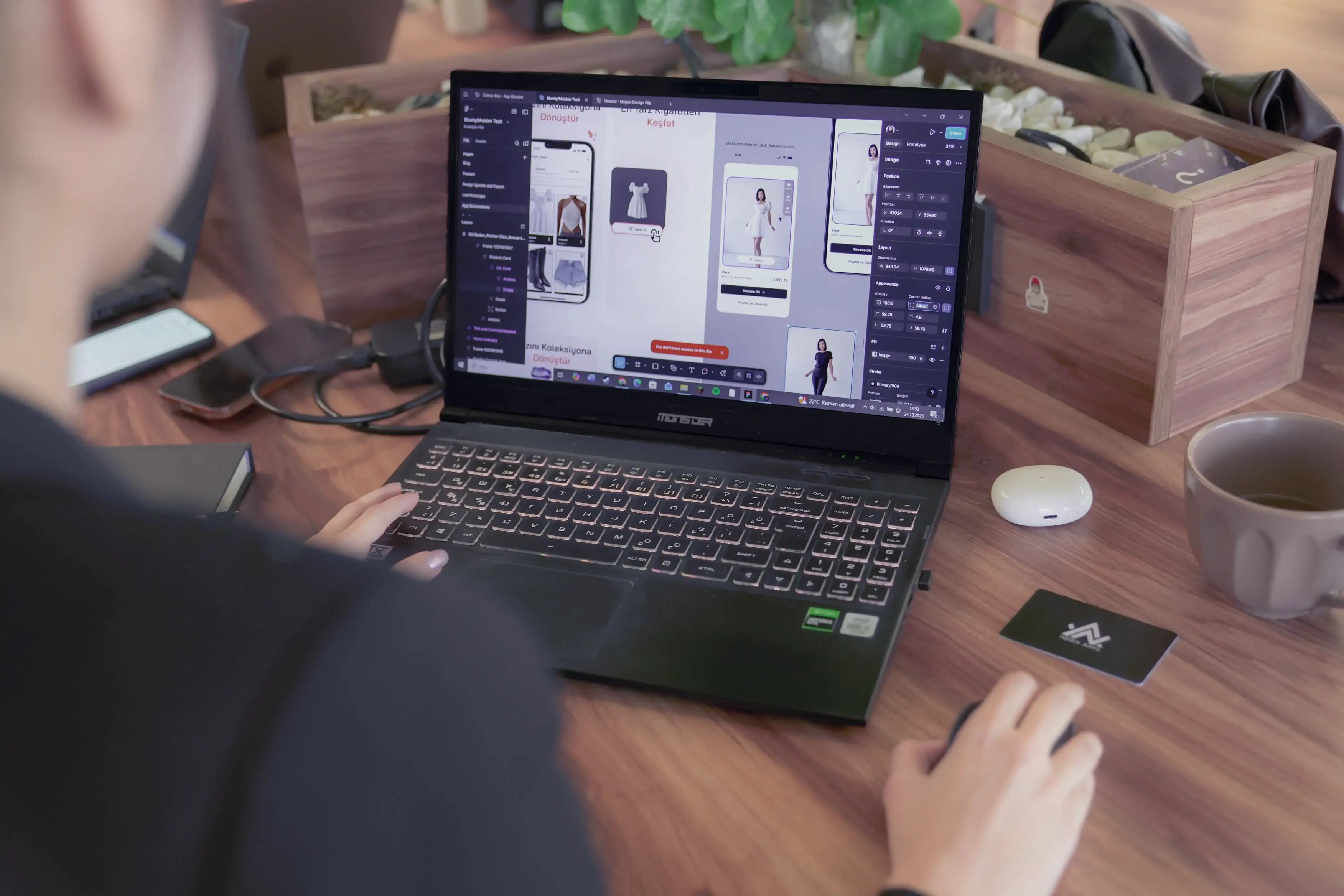
That was the pivot. We stopped betting on our own ideas and started building other people's.
2020–2024
The factory
Hundreds of other people's products, one introduction at a time, on a runway measured in days. An education in what actually works that no amount of theory would have produced.
2020–2022
Growing through referrals.
For the first couple of years we barely knew what lead generation was. There was no sales organisation and no predictable acquisition engine: one client introduced us to another, that client introduced us to someone else, and the projects kept coming. The runway ran at about fifteen days for years. We went into most months without the money to pay wages at the end of them. We did try to raise, early, and could not; there was nothing yet to show anyone. What had started as two students building apps together was slowly becoming a real company.
15
days of runway, most months
2020–2024
Hundreds of products, and what they taught us.
The early years were repetition. Founders, small businesses, startups and other app studios, and every single product taught us something. What users actually wanted. Which features sounded good in a meeting and died on a phone. How to make a product smaller. Why apps get rejected, why users leave, what makes them stay, and why some products grow while others never do. Eventually all of that stopped being anecdotes and started compounding.
2022–2024
We outgrew every office we moved into.
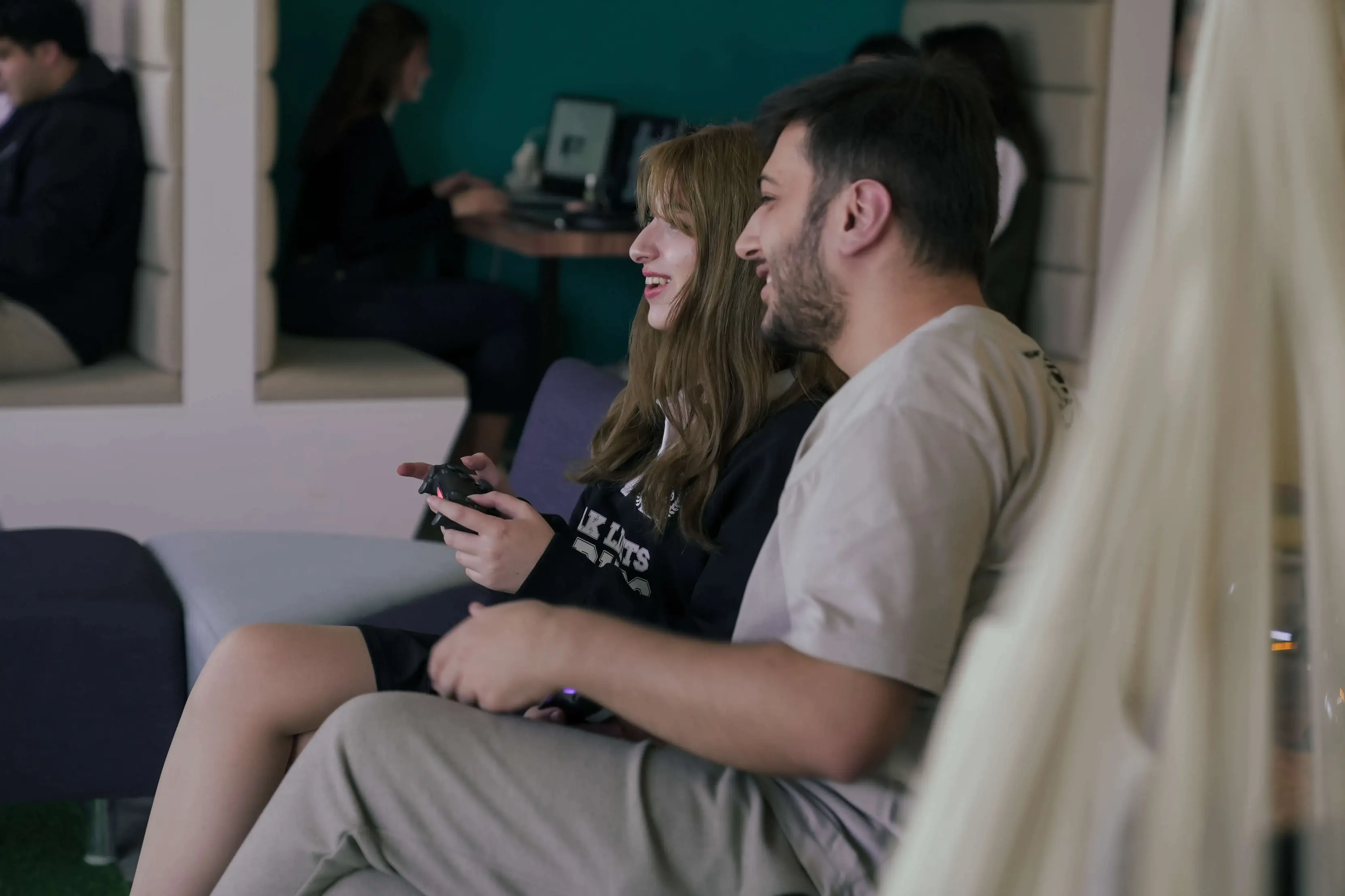
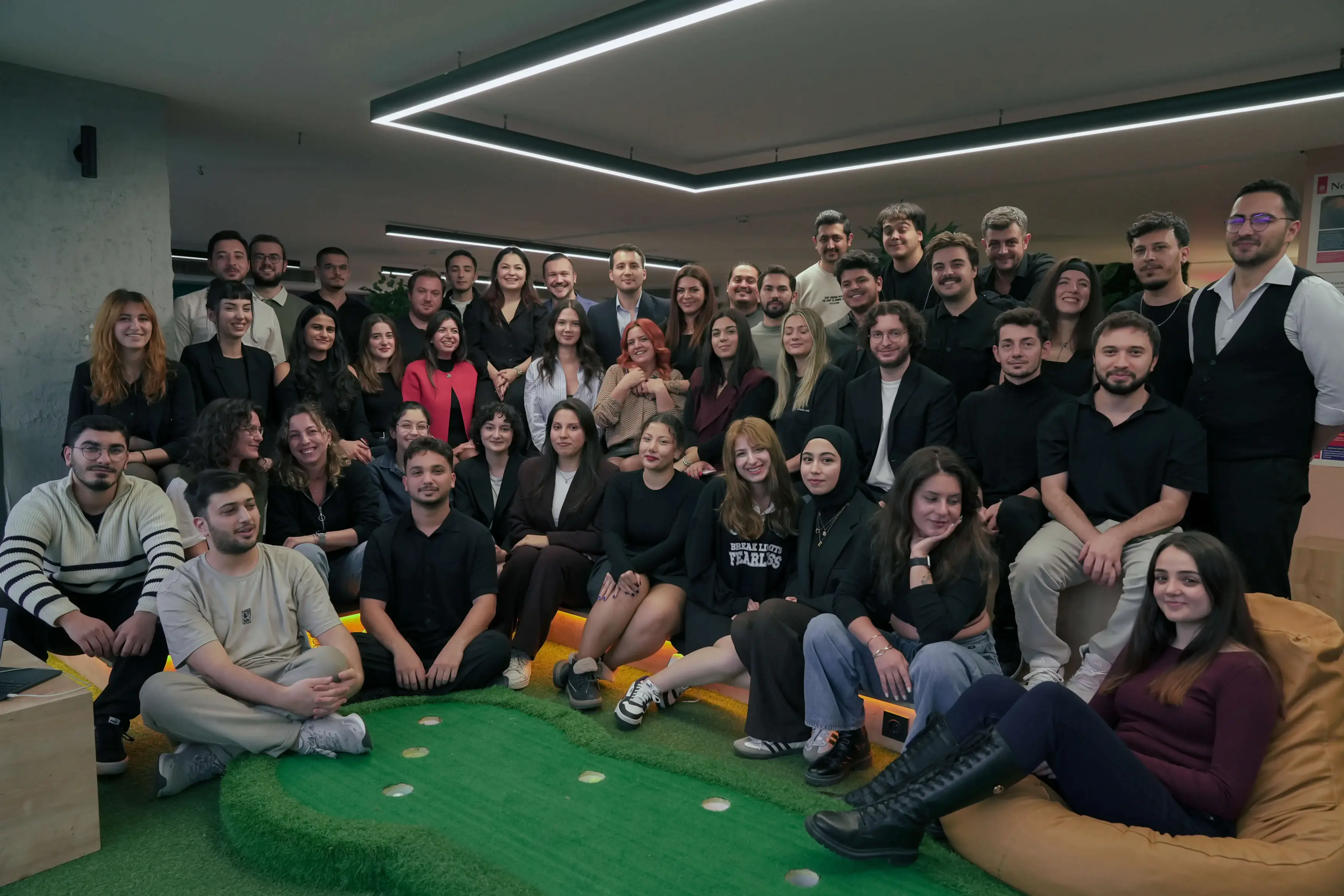
As the projects grew, so did the team. We moved offices as we outgrew them and started building dedicated product, design, engineering, QA and project management capabilities. Neon Apps was no longer two people designing and coding next to each other. It was becoming an organisation built around mobile products.
2023
We could not hire fast enough, so we taught people.
We started Neon Academy in March: a programme that takes someone with basic Figma or Swift and turns them into a working designer or developer. The first intake was 25, and several of them now lead teams. It is most of the reason the headcount kept moving at all, because by that point we could not hire experienced people quickly enough to keep up with the work coming in.
25
in the first Academy intake
2023–2025
Moving upmarket.
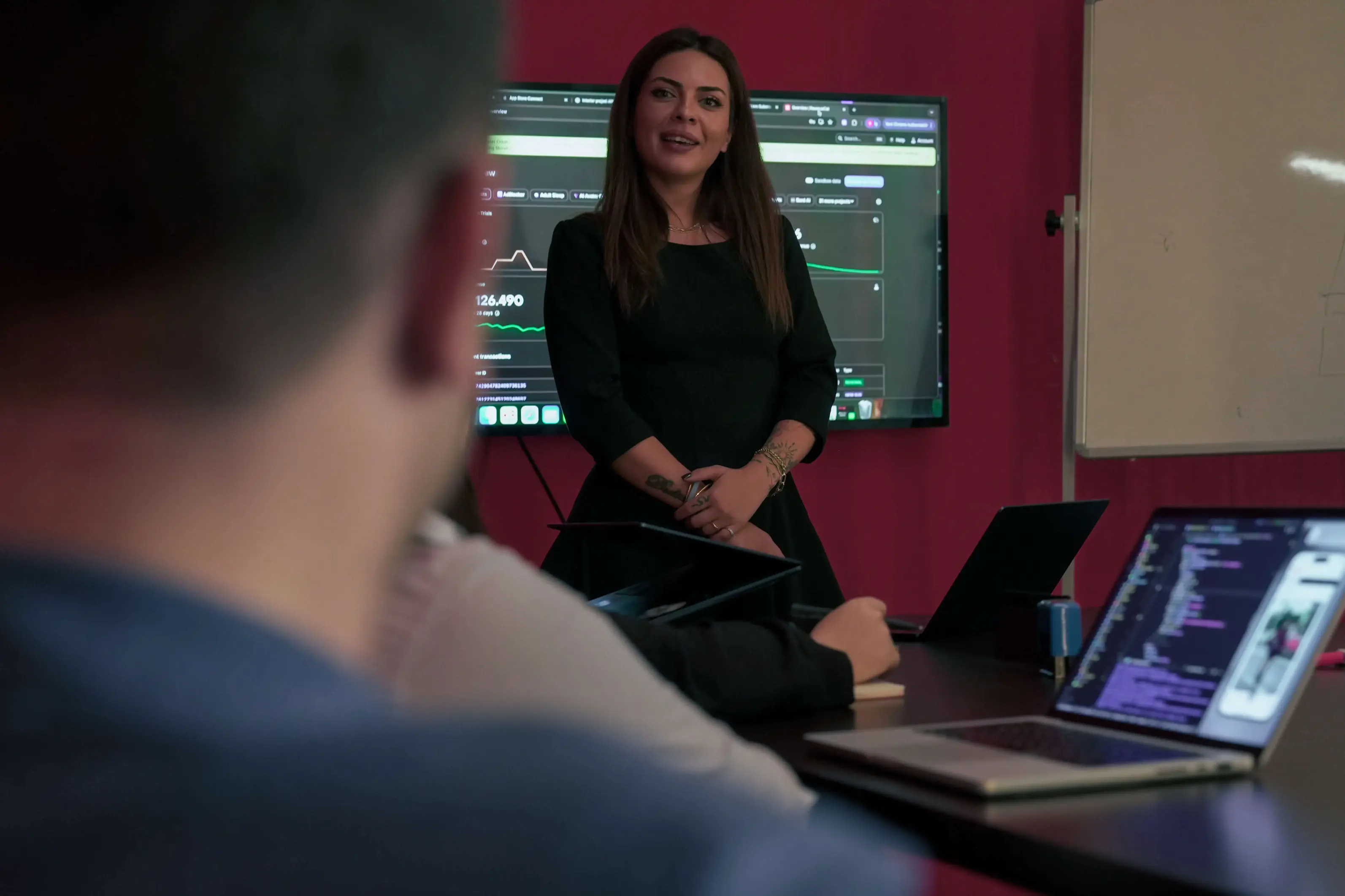
The companies trusting us started to change. Small founders became larger startups. Startups became established companies. Eventually we were working with enterprises, financial institutions, holdings and some of Türkiye's most recognised brands. The products got more complex, the stakes got higher, and our role became a great deal bigger than development.
2024–now
The operation
Knowing what should be built rather than only how to build it, an office in New York, and an organisation that can run a company's entire mobile operation.
2024–2025
From developers to product partners.
After building hundreds of apps we realised our biggest advantage was not knowing how to develop them. It was knowing what should be built in the first place. We started working across the whole product journey: research, product strategy, UX, design, development, testing, launch, iteration and growth. Sometimes the most valuable thing we can tell a founder is not how to build another feature. It is why they should not build it.
2024
We opened New York, and I changed my name.
We opened the New York operation to work directly with companies in the US, while the product and engineering organisation stayed in Istanbul. It is not a flag on a map: it is where the North American clients come from. I changed my name in the same year and for the same reason. Tuna Öztürk became Tyler Blackford. In English my first name is a fish, which is a good joke and was a bad sales asset. My surname carries most of the Turkish alphabet. Between them, almost nobody I was trying to sell to could say either one out loud, and a name a client cannot pronounce is a name they do not pass on. This company grew almost entirely on being passed on. It is the least romantic thing in this story and the one that moved the needle most.
2
cities, one team
2025
Building for the companies we used to read about.
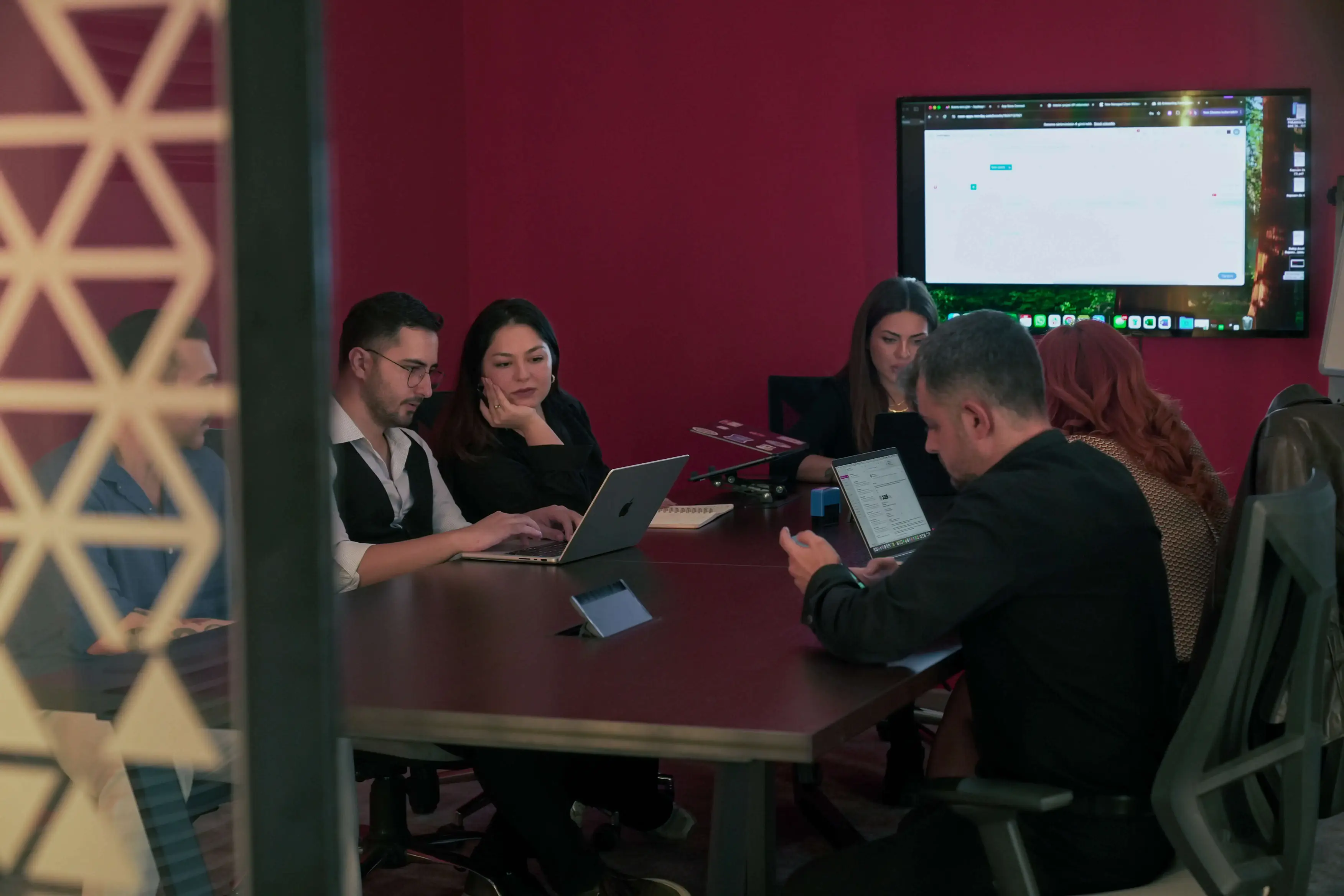
Tera, TAV and Onedio handed our teams their mobile products, alongside a good many others we cannot name publicly. At any given moment we might have twenty to thirty major products in progress at once. New York stopped being an office and became an operation. What began as two people doing everything themselves had turned into an organisation capable of running an entire mobile product function, and for me that was always the point of New York. Taking what we had learned locally and competing with it globally.
20–30
major products at any one time
2025
RevenueCat made us their partner for Türkiye.
In November it became official: we are their partner for the Turkish market. It works because we had been building on RevenueCat for years before we ever partnered with them, across hundreds of subscription apps. It was also the first time the company had been asked to run part of somebody else's operation rather than build their product.
None of these are our products. We built every one of them.







2026
Still bootstrapped.
We built Neon Apps without ever raising venture capital. There were difficult years, long stretches of uncertainty, and plenty of moments when carrying on was harder than stopping. We kept going. Eventually not raising stopped being a limitation and turned into a choice, because the years of building and failing and reinvesting had started to compound. The company looks almost nothing like the one we started in 2019, and it is still doing the same fundamental thing.
$0
of venture capital, ever
600+
- People
- 285
- Clients
- 0300+
- Downloads
- 0100M+
- Istanbul offices
- 13
The scale changed and the ambition changed. What I have been doing since 2013 did not. Still building.
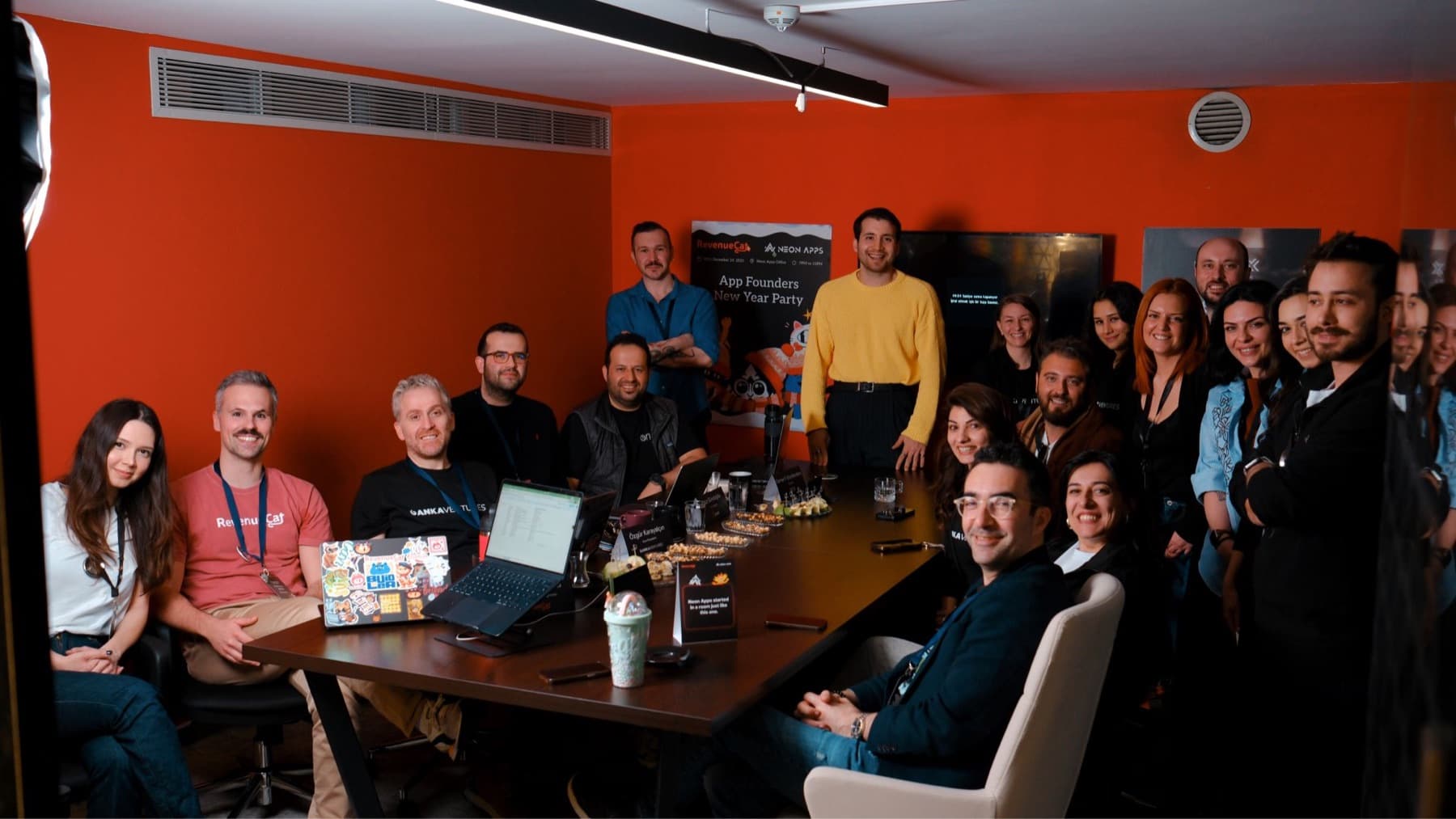
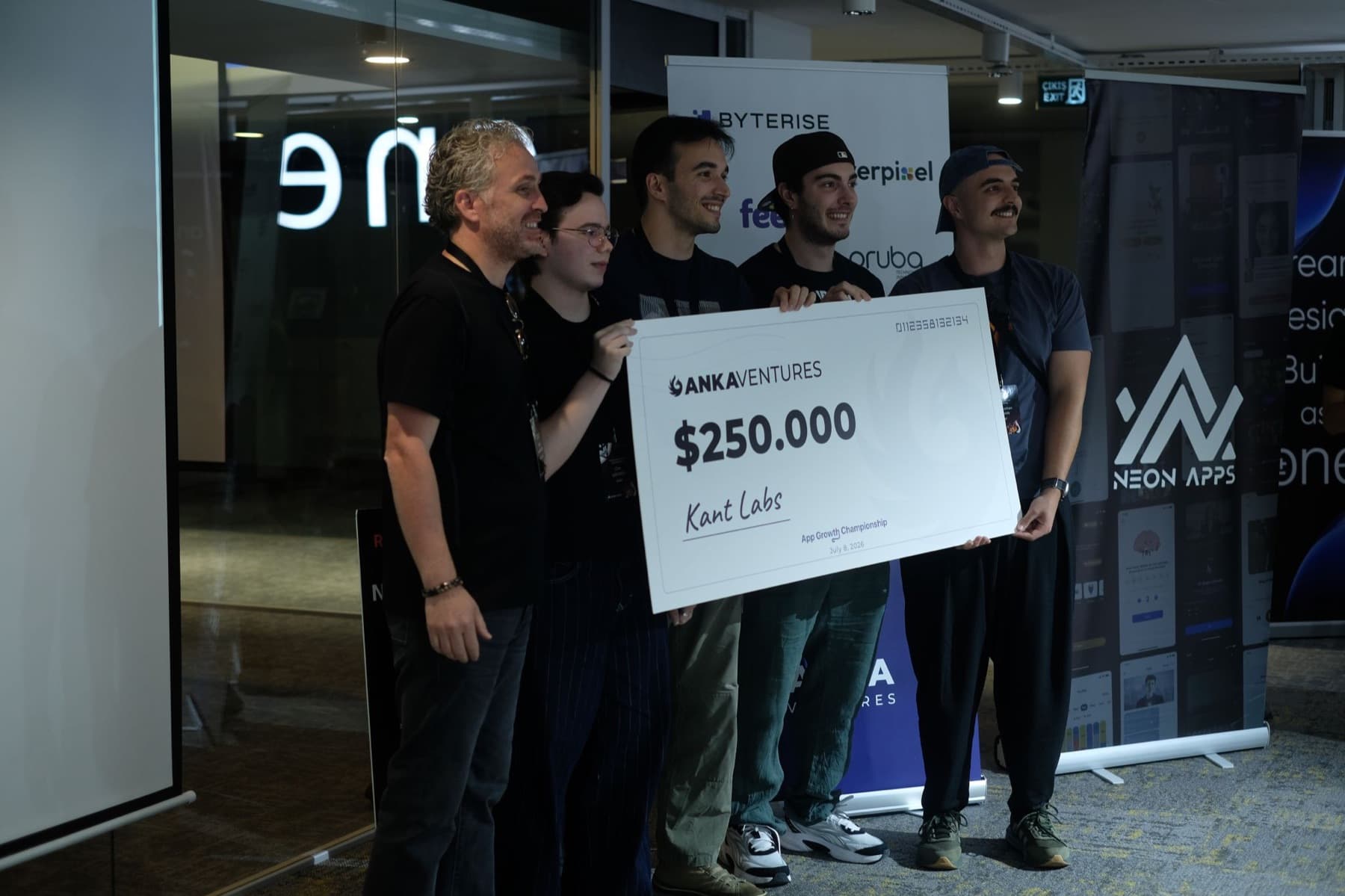
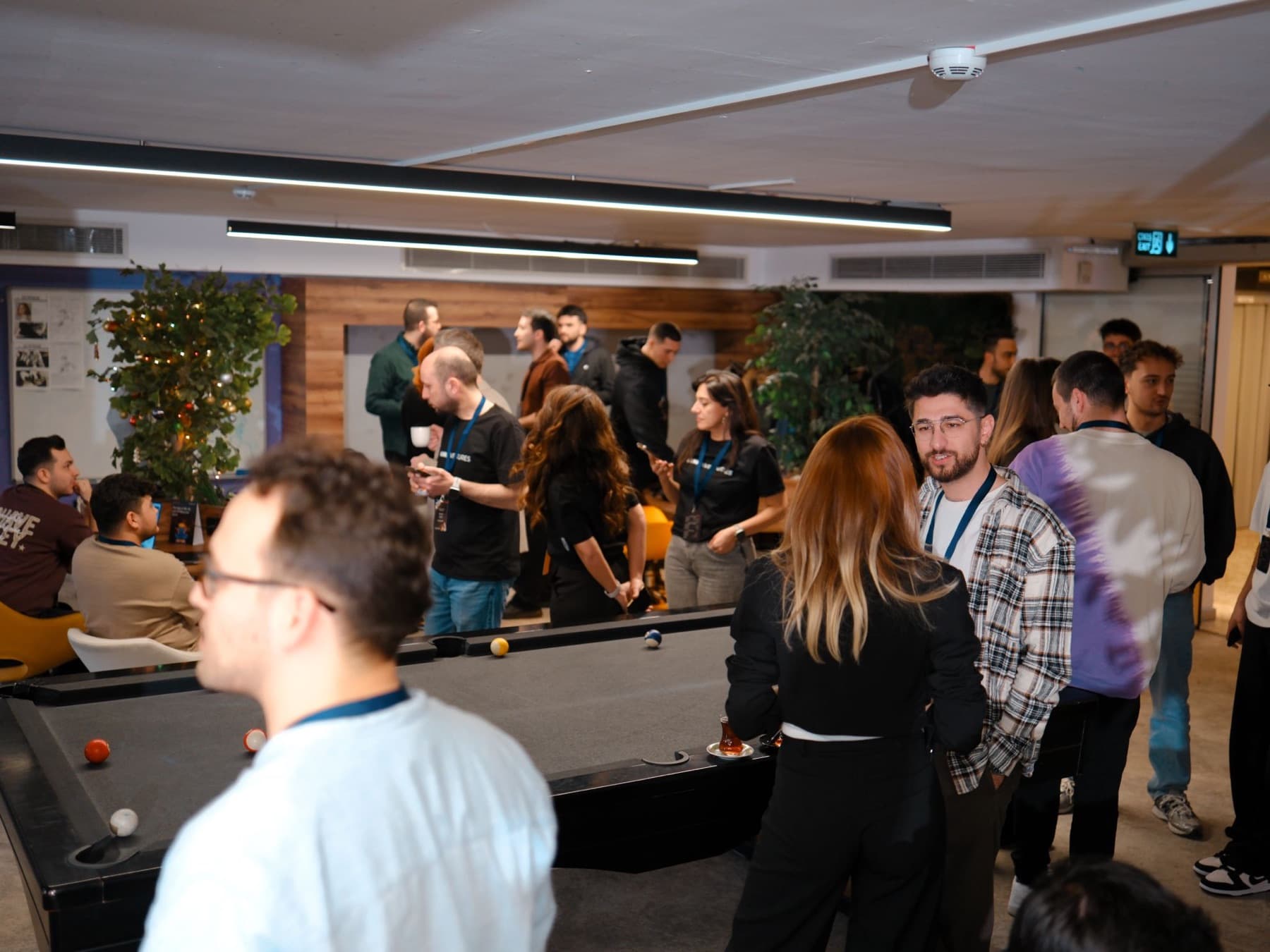
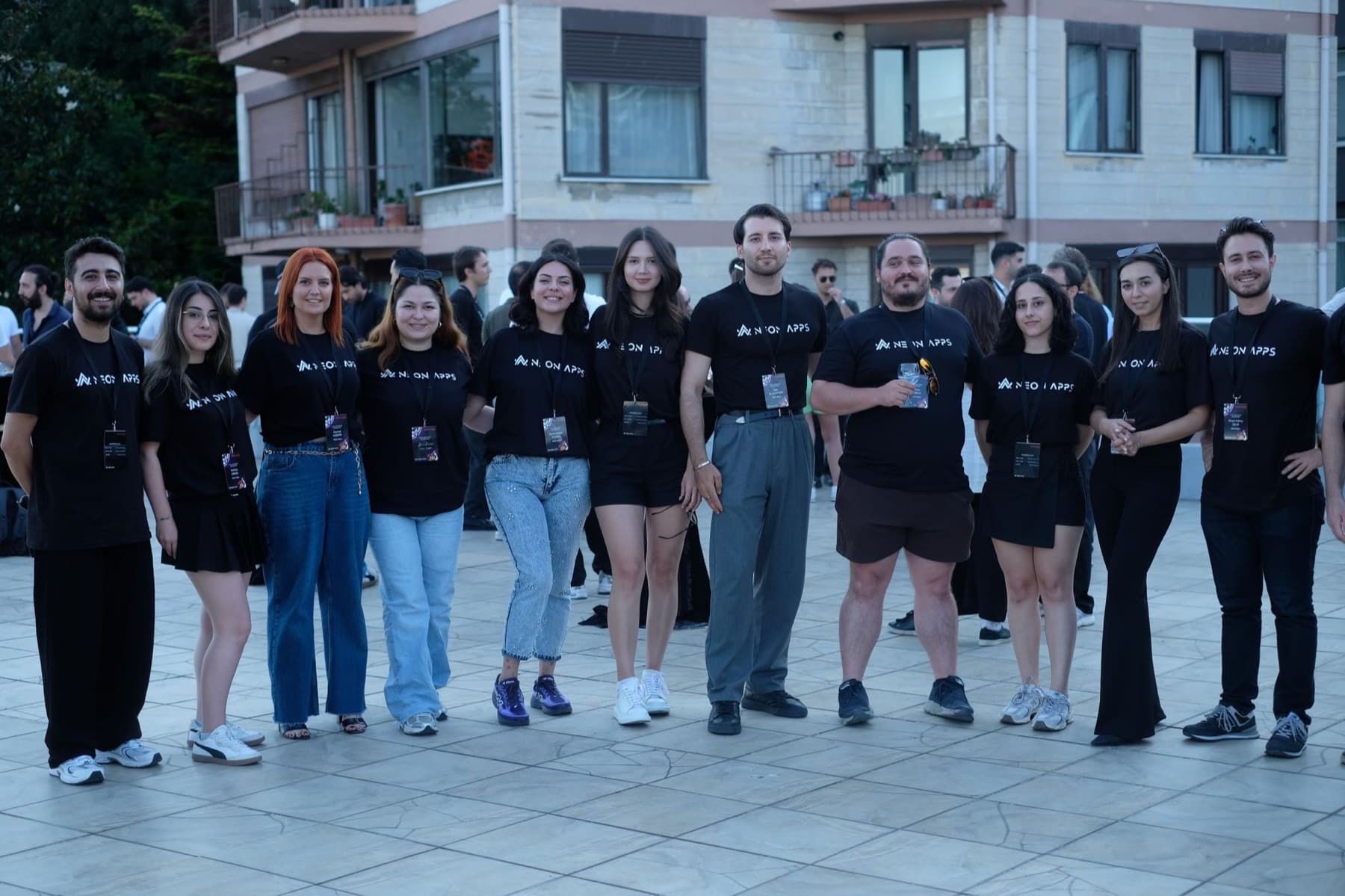
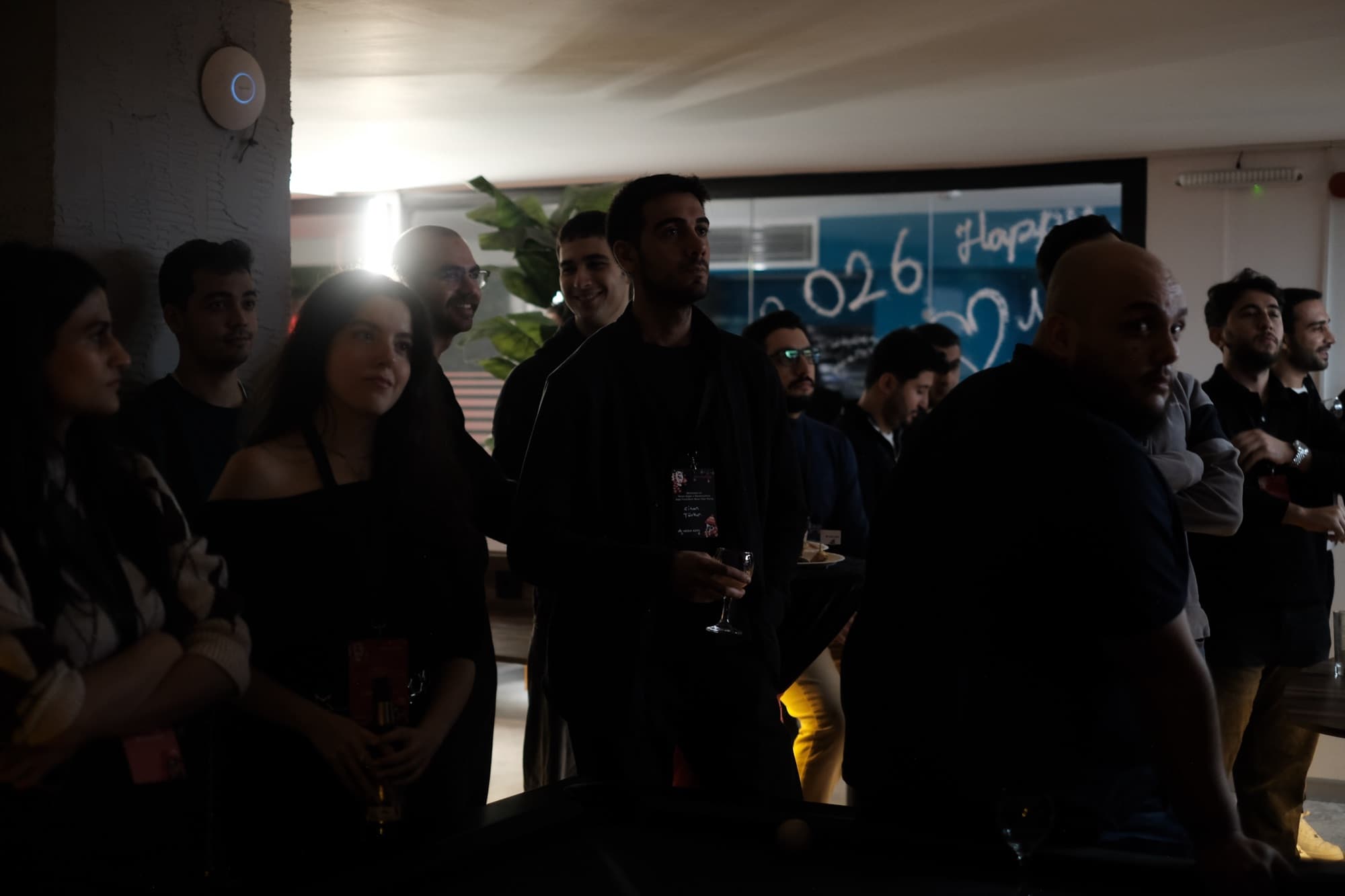
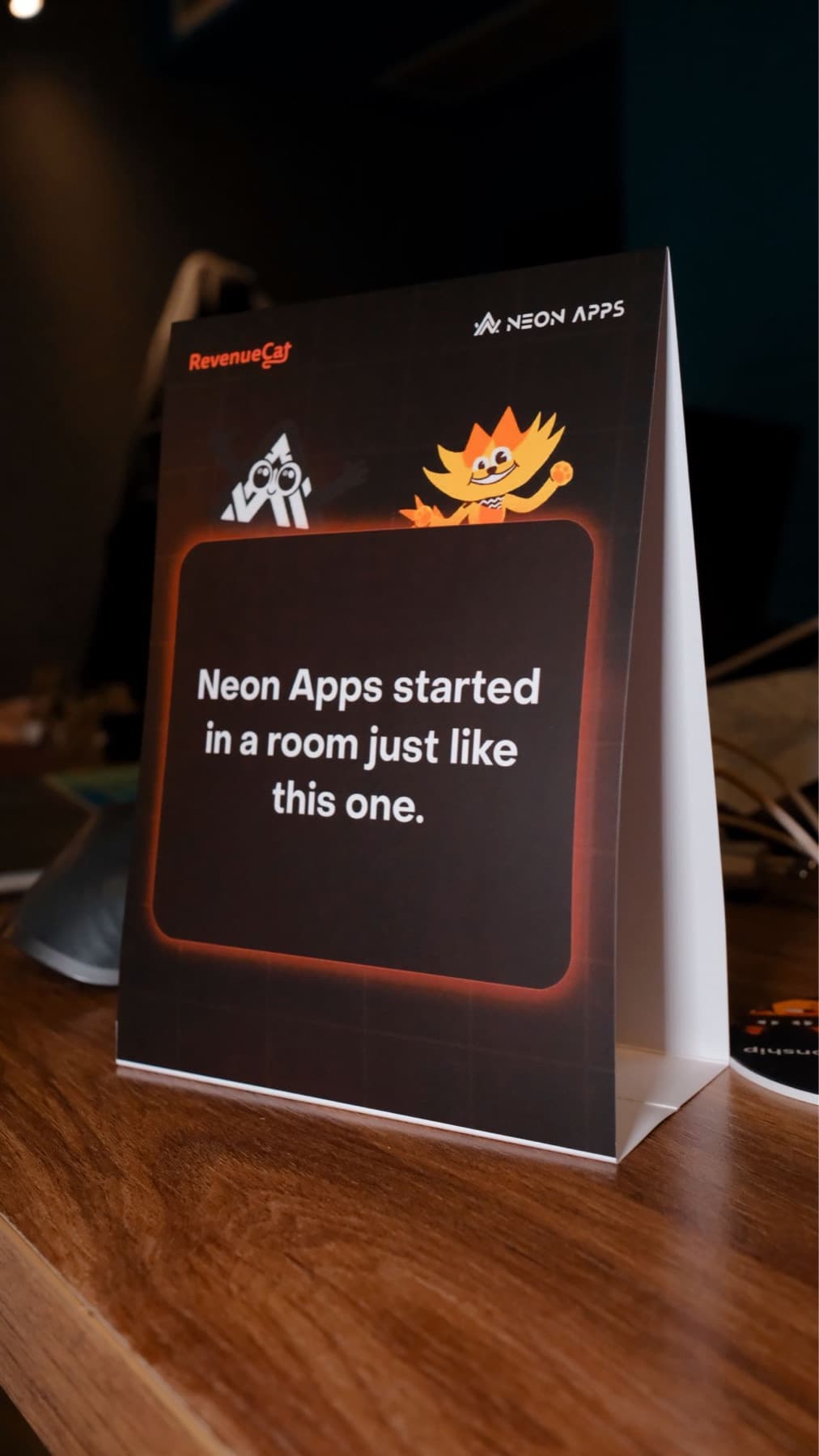
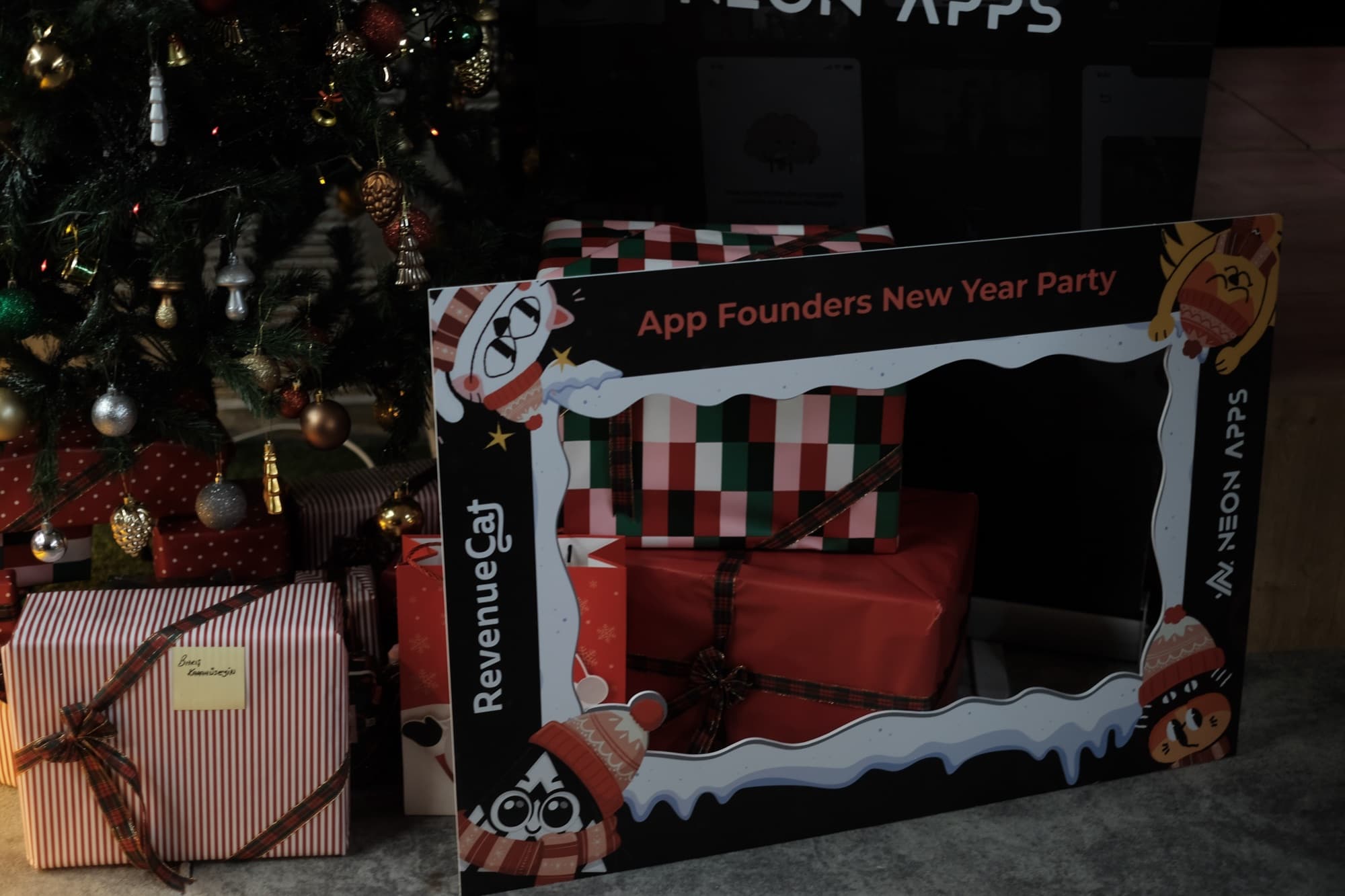
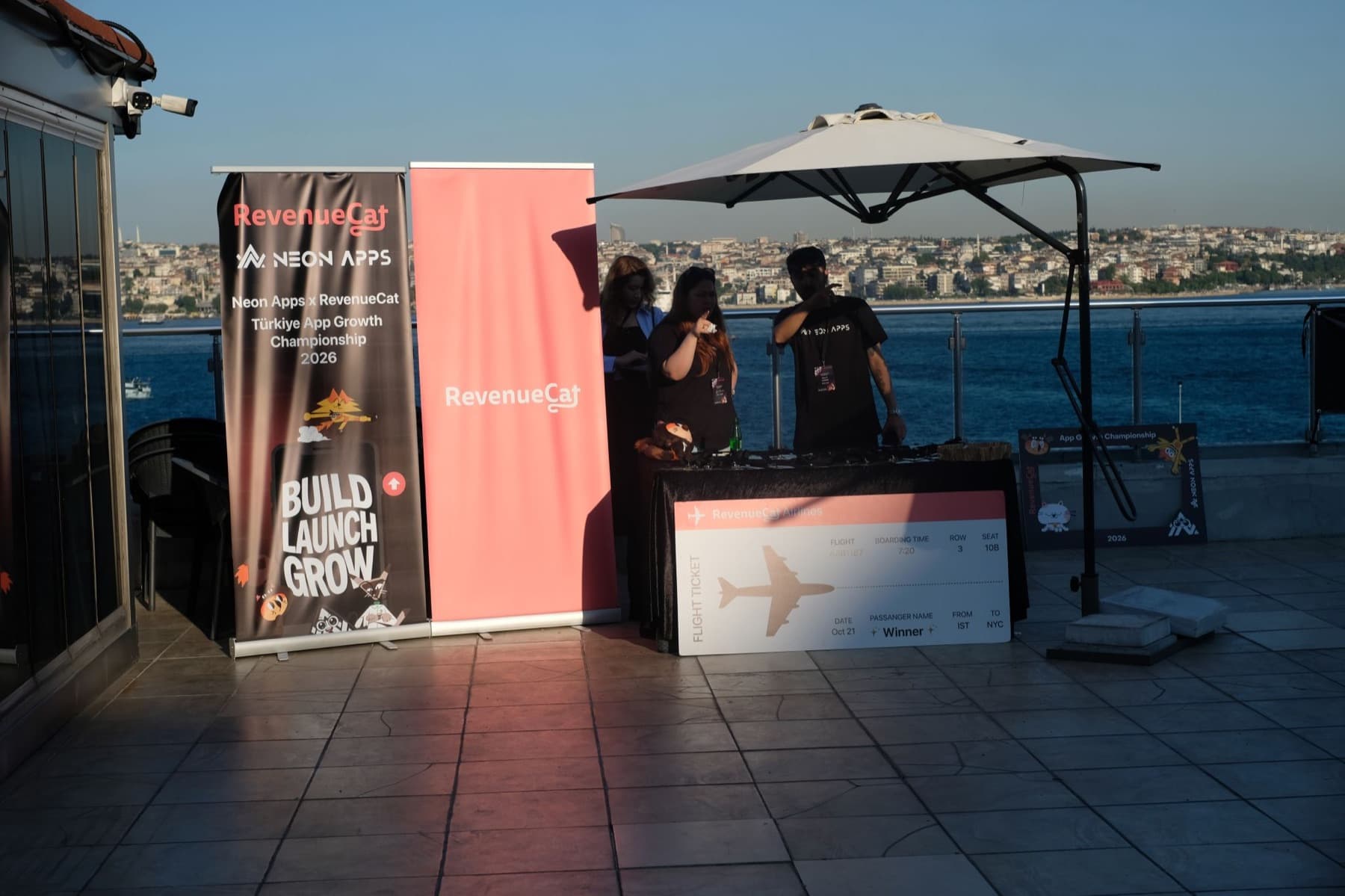
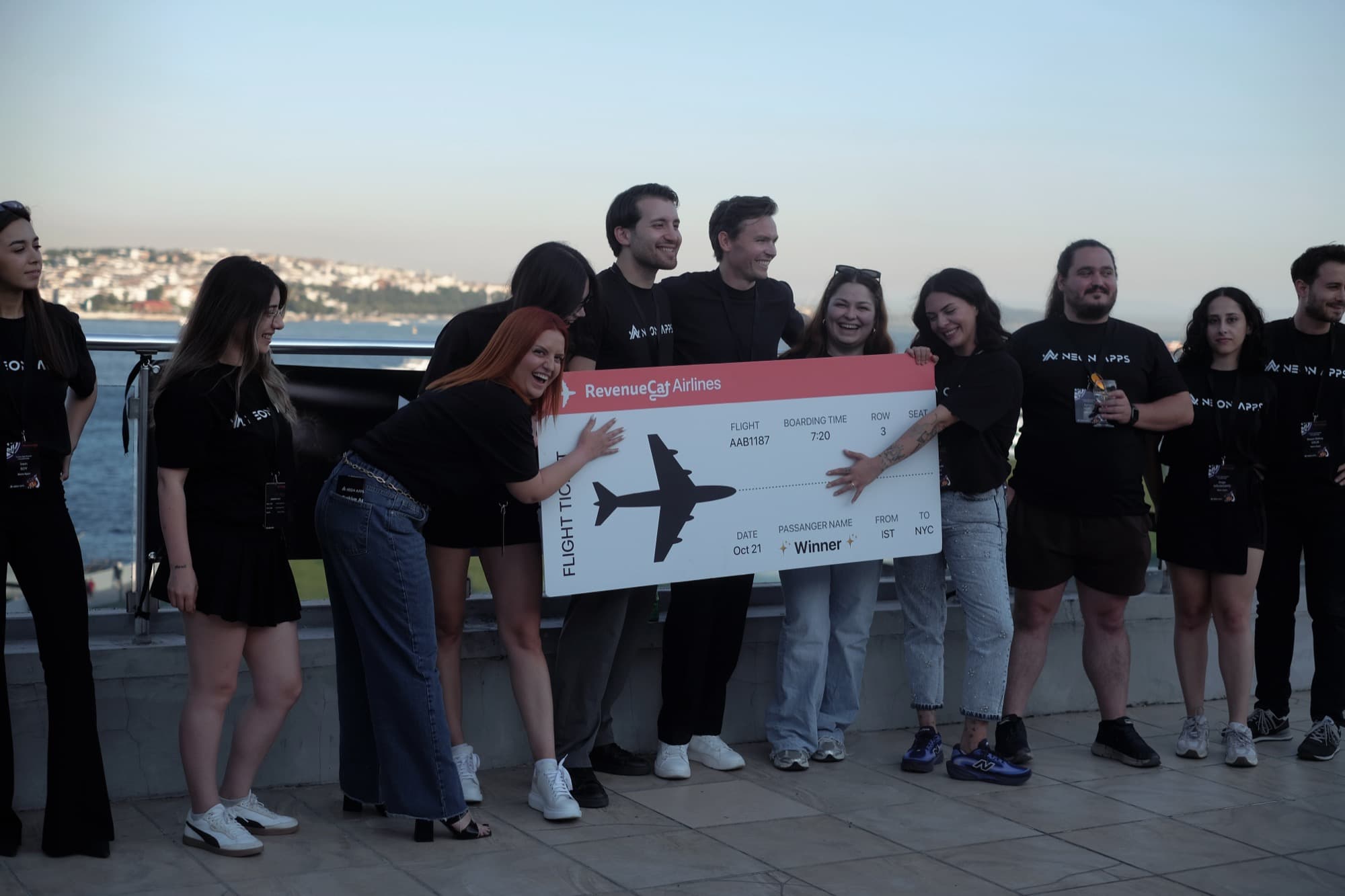
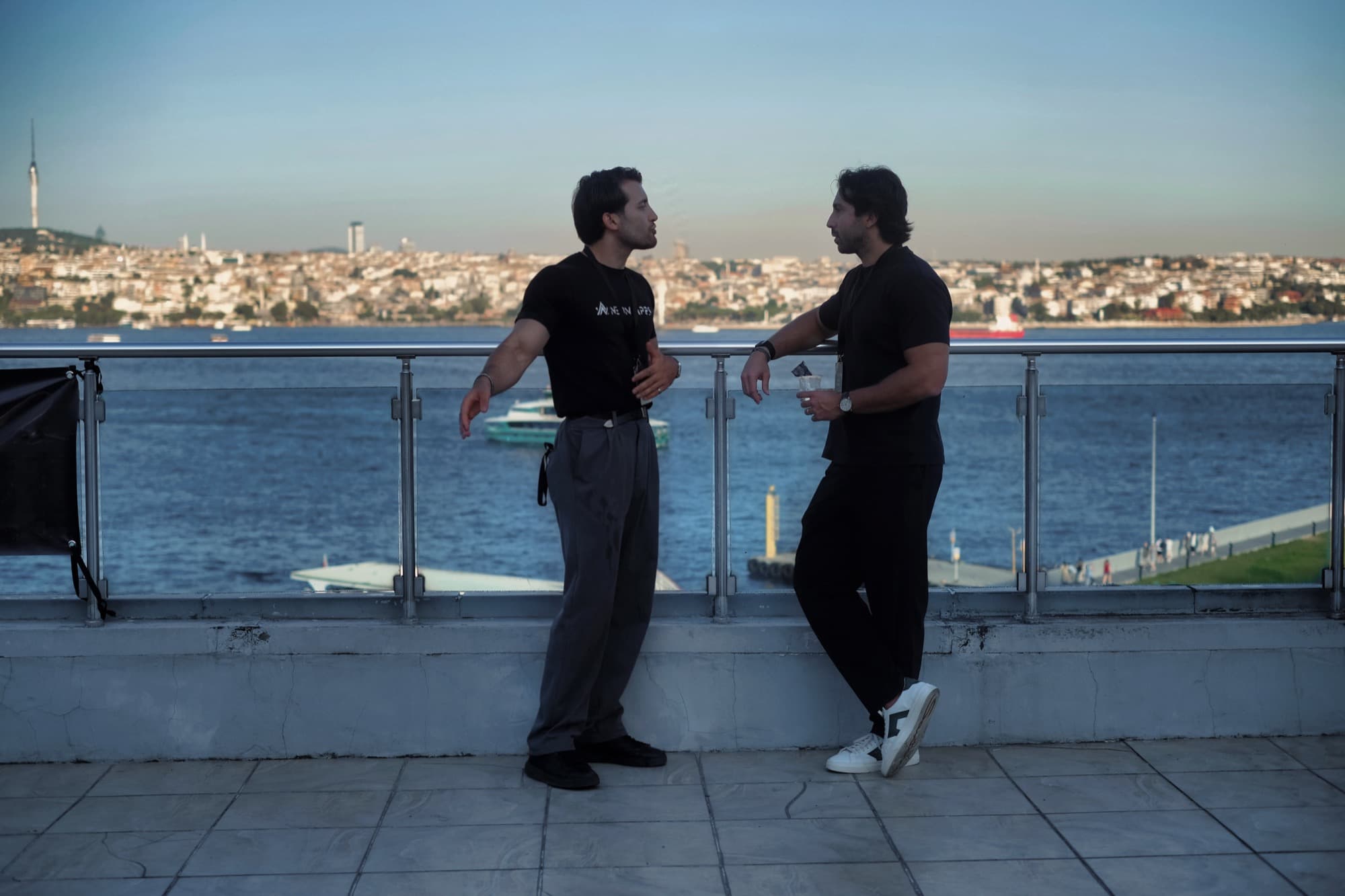
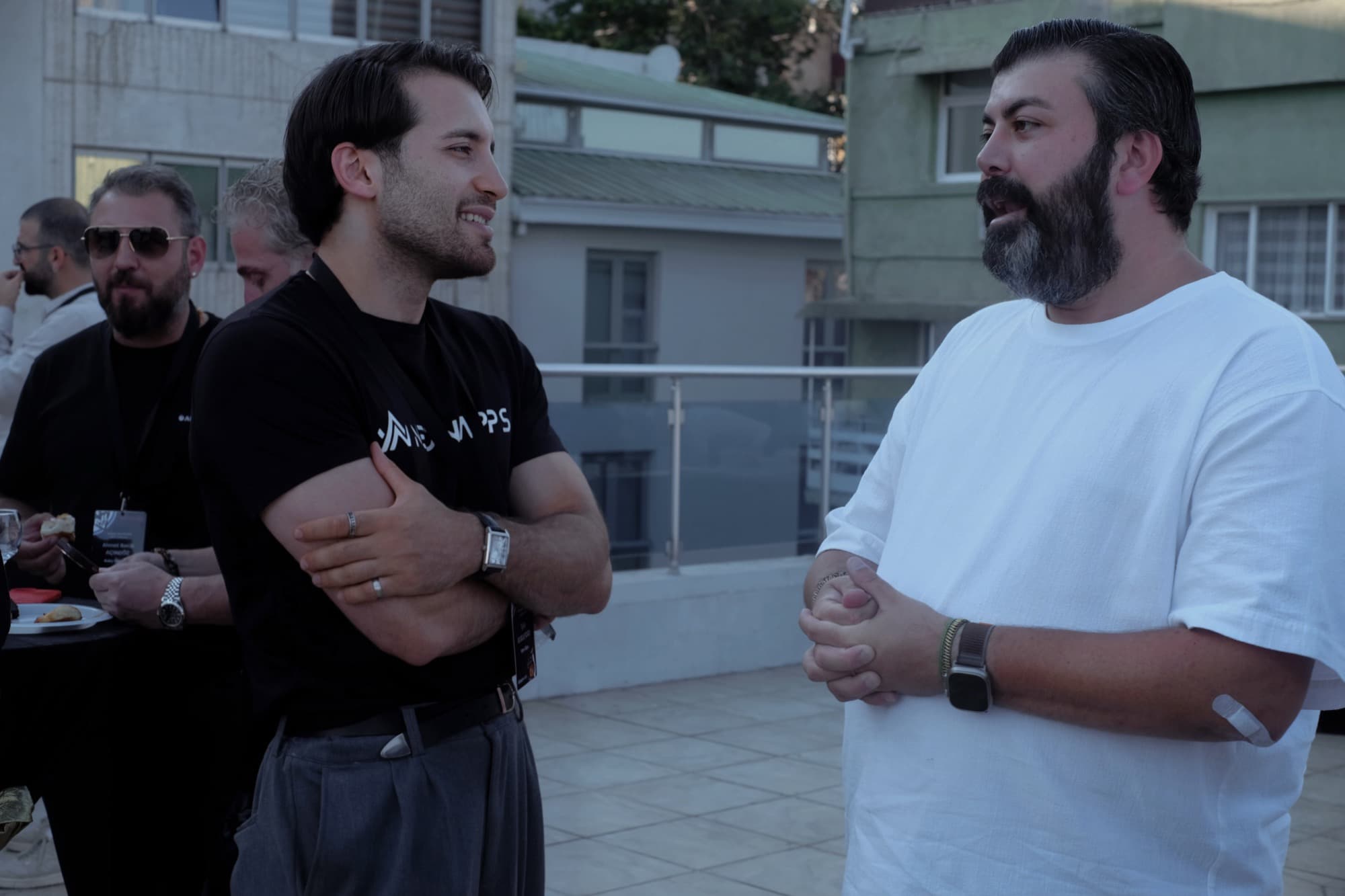
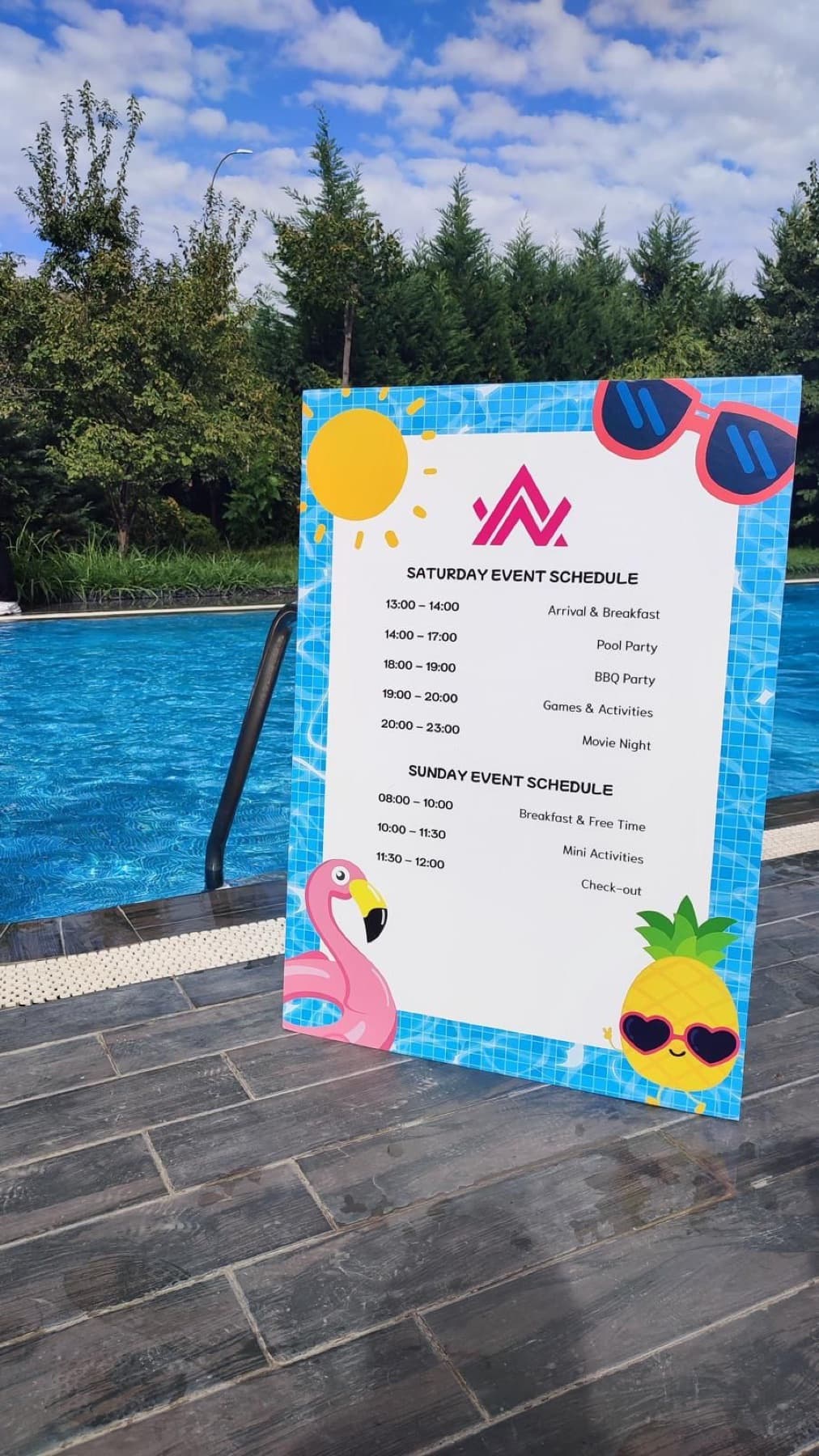
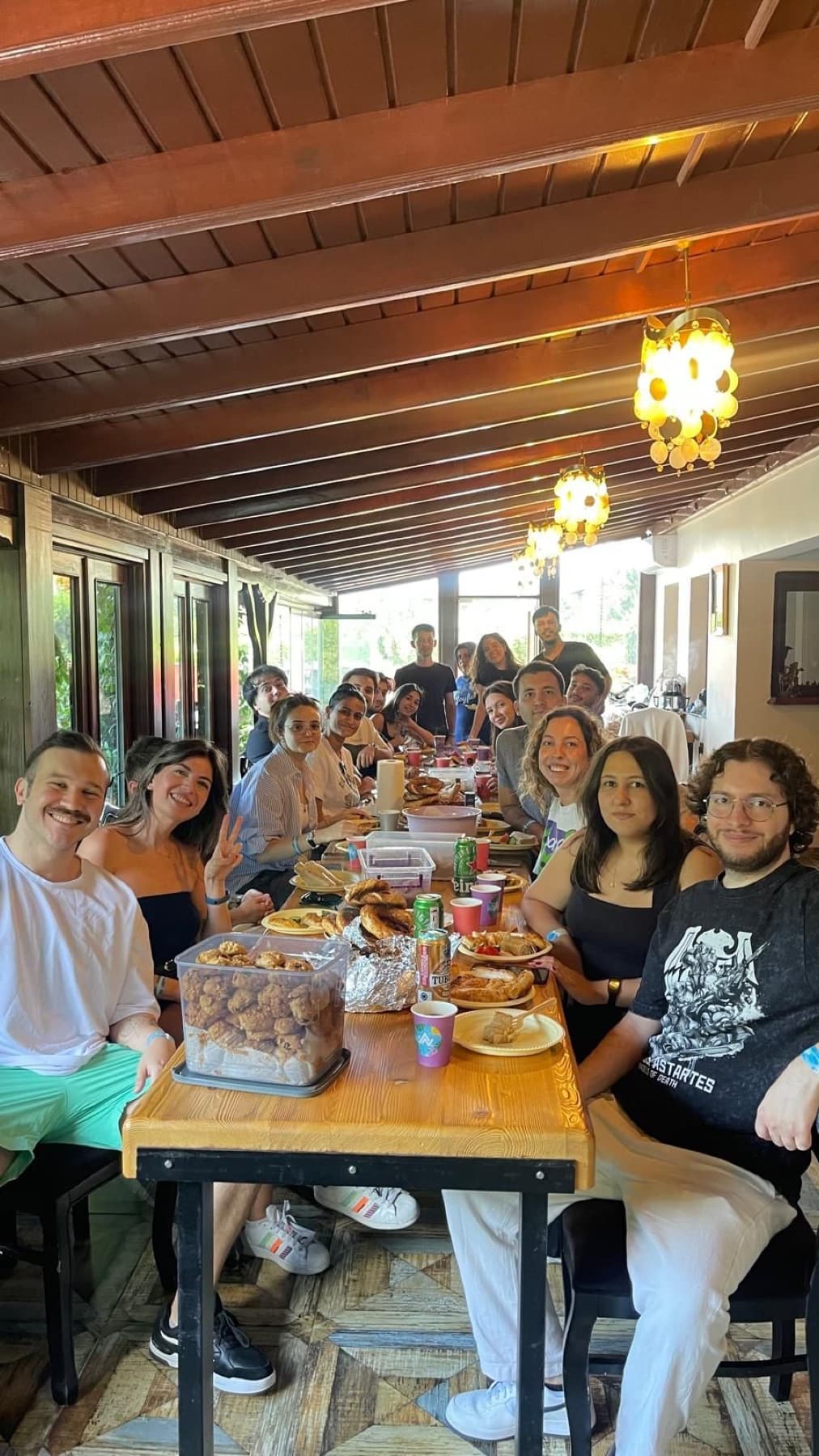
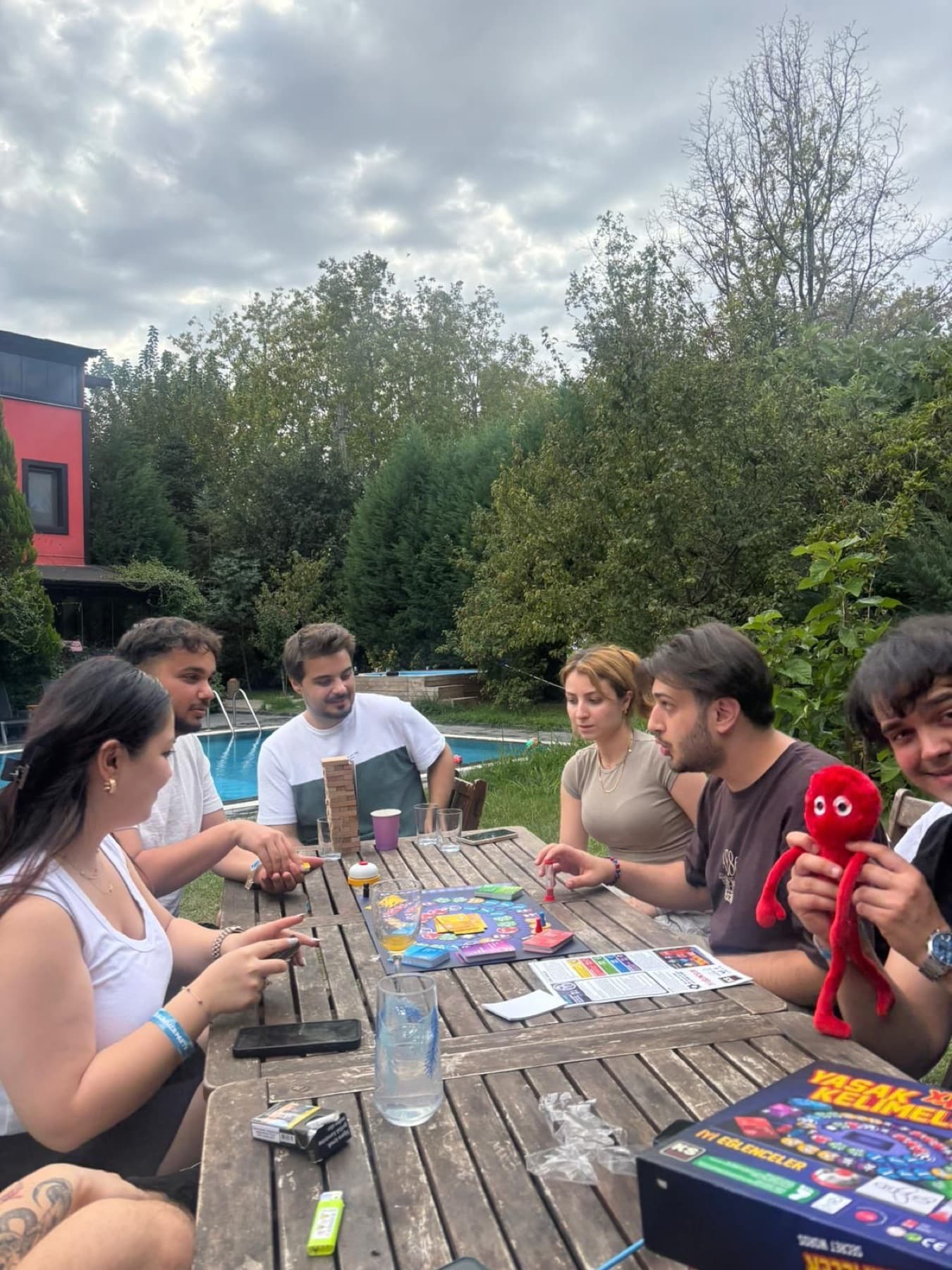
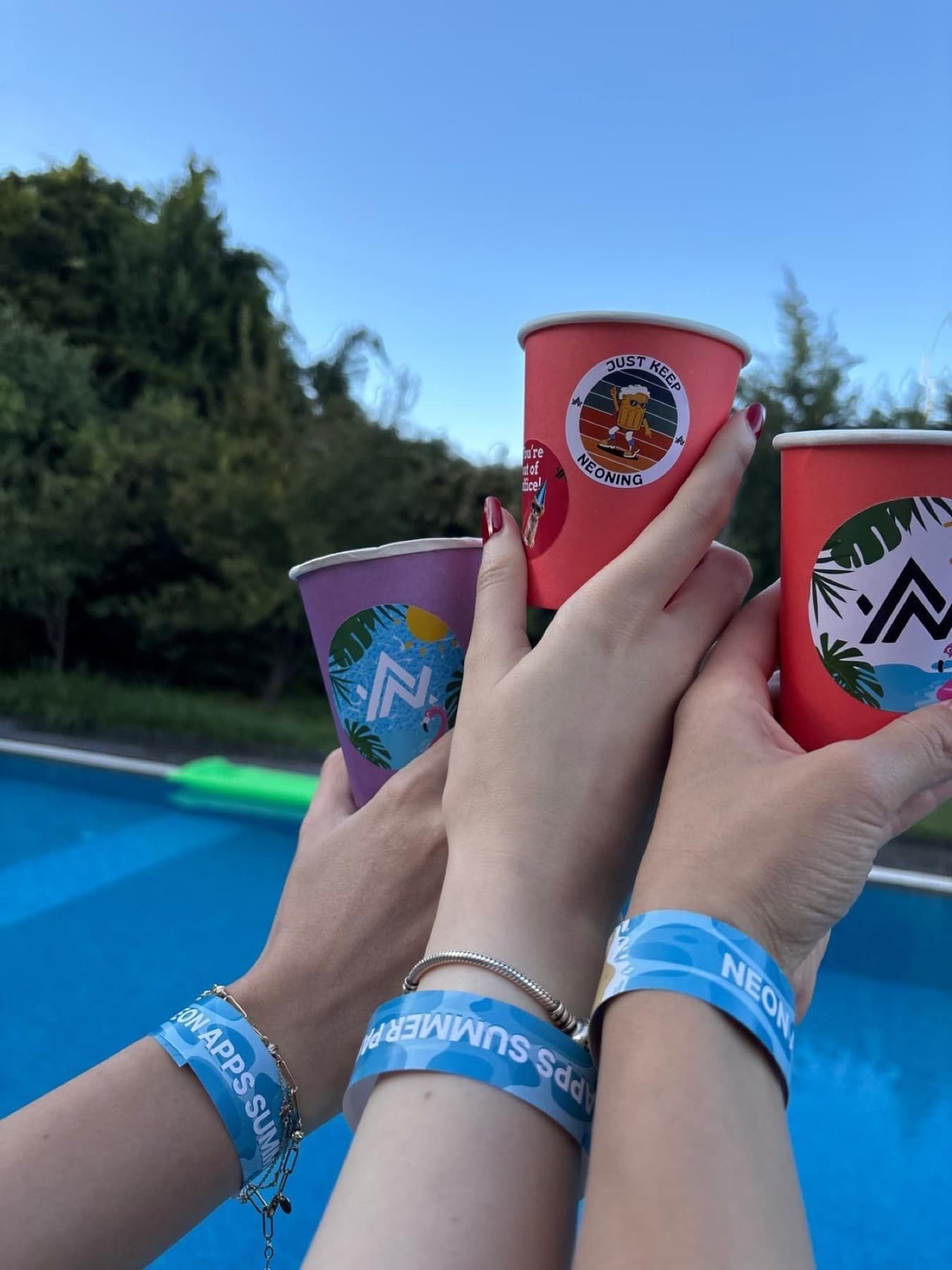
Some of the evenings we host, and a few of the days we take off. Swipe for more.
Writing about any of this? The press kit has bios, boilerplate, correct spellings and photography, ready to use without asking.
The press kit