The team that won had already failed.
We ran the App Growth Championship with RevenueCat in Istanbul this July. 200+ teams applied, 20 built for 48 hours, and the one that took the grand prize had watched its first attempt go nowhere first.
AB Ship Lab came to the hackathon with an idea, built it over 48 hours, and it did not work. Not in the sense that the code broke. In the sense that nobody wanted it. They could have defended it, because the room was full of judges and defending your idea is what a competition trains you to do. Instead they abandoned it and built something else: SewBuddy, which reached 300 paying users and $10,000 a month inside a month, and which won them the grand prize and a seat at RevenueCat's App Growth Annual in New York.
That is the part worth writing down, and it is not the part that got reported.
What the competition actually was
The App Growth Championship is something we run with RevenueCat, alongside Anka Ventures, Scate AI, Fal AI, PlusMinusOne and VLMedia. This year 200+ teams applied. 20 of them spent 48 hours building in Istanbul. A jury cut that to 6, who then had to go and grow the thing in public rather than pitch it.
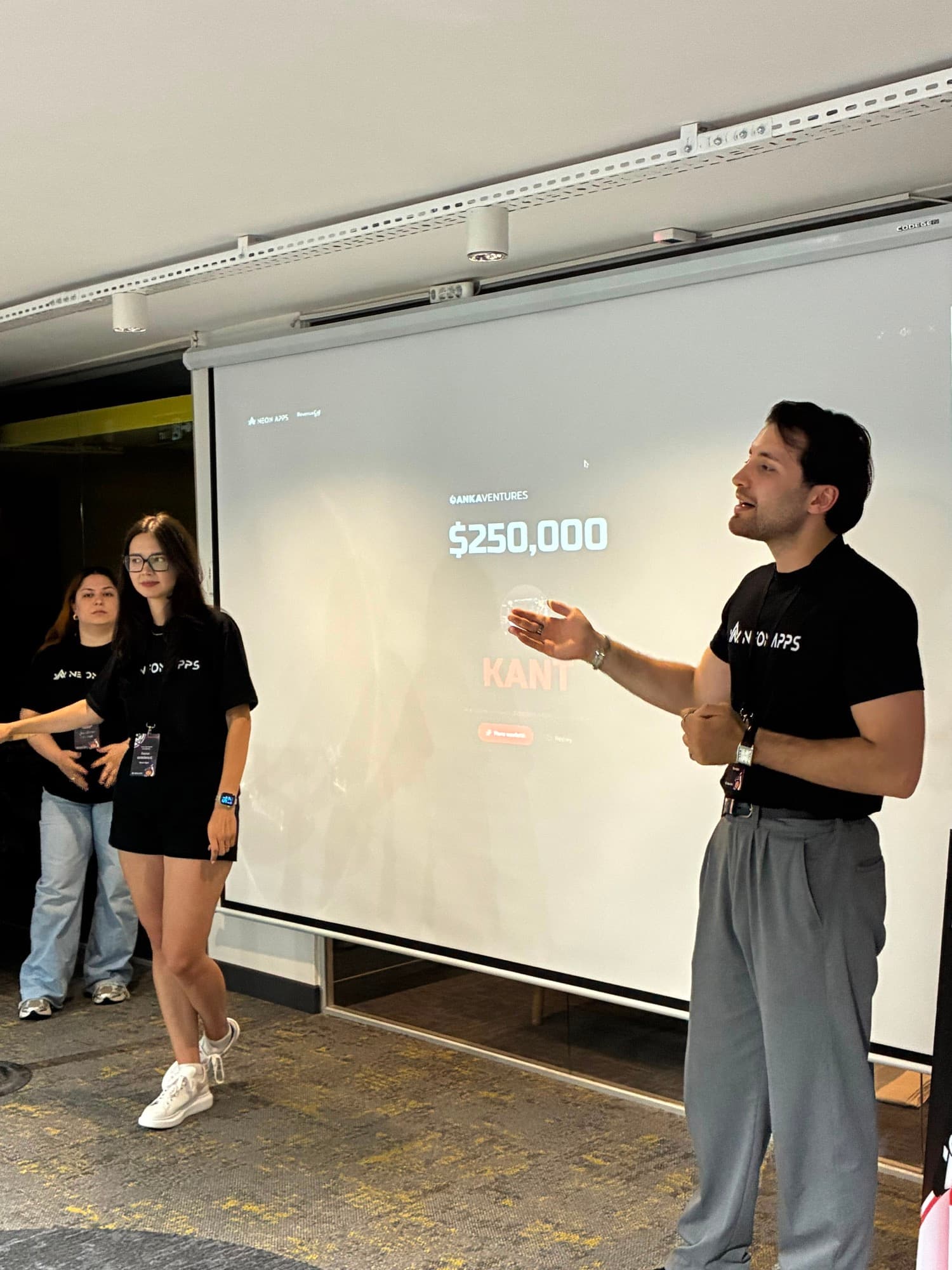
- Kant Labs built a subscription app over the 48 hours and closed a $250,000 investment from Anka Ventures on finale night.
- AB Ship Lab took the grand prize and the trip to New York.
- Club Bizarre and Bronix took the market validation award, $10,000 each.
- Club Bizarre also took people's choice, and UpSide took social media engagement.
Why the format is 48 hours and then two months
A hackathon on its own selects for demo quality. You get two days of adrenaline, a stage, and a room full of people judging something nobody has ever used. We have all been in that room. The winner is usually whoever presents best, and the thing dies the following week because nobody was ever going to pay for it.
Putting a growth stage after the build is what changes the question. It stops being what did you make and becomes did anyone want it. That is a harder question to game, it takes longer to answer, and it is the only one that predicts anything. It is also why AB Ship Lab could throw away 48 hours of work and still win: the format rewarded them for noticing, where a demo-day format would have rewarded them for pretending.
What the $250,000 does and does not prove
One team raising a quarter of a million dollars off the back of a hackathon is a good outcome and I am not going to pretend it is a small one. But it does not prove the competition works. Investment is a bet, and bets are decided years later. What it does prove is narrower and more useful: an investor who watched a team build for 48 hours and then grow in public for two months had enough to decide on, and did.
That is the thing I would want if I were still trying to start something. Not the money. The chance to be seen doing the work by somebody in a position to act on it.
SwipelineKant Labs, Anka Ventures'tan 250 bin dolar yatırım aldıThe reporting this piece takes its figures from. In Turkish.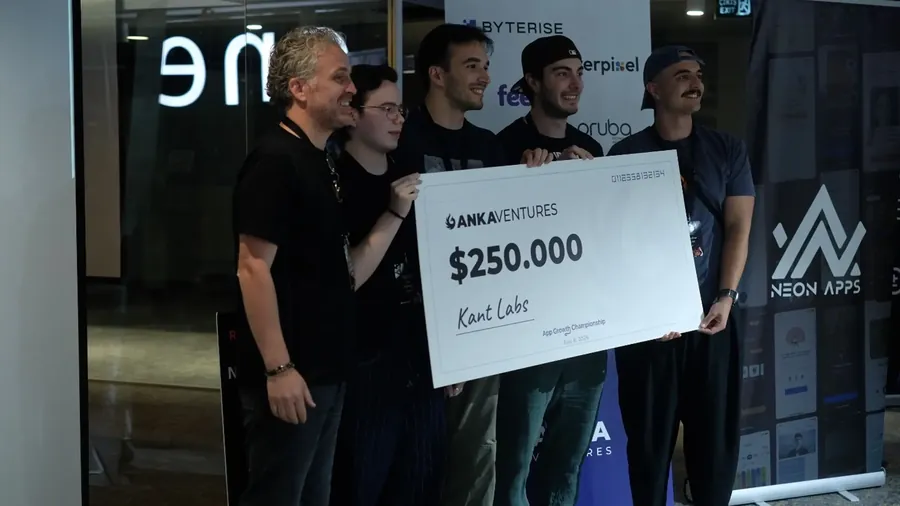
Why we run it at all
Turkish teams build for the global store from the first day, because there was never a domestic market big enough to hide in. It looks like a disadvantage and it produced a generation of people who ship worldwide by default. 200+ applications for one competition is not us being popular. It is what happens when you put a door in front of people who were already building.
The whole thing costs us a great deal of time and returns nothing directly. That is fine. We spent six years failing at our own products and the difference between then and now is not talent, it is that somebody eventually paid attention. Running the thing that pays attention is cheap by comparison.
And the team that won had already failed once, in front of everyone, two days in. So had I, fifteen times, just more slowly and with nobody watching.
Everything else written here comes out of the same place: work done for other companies, at a volume that made the patterns visible.
All writing